01

Mercy

The Works of Mercy (corporal and spiritual) are concrete ways of living the commandment to love God and neighbor. [CCC2447-2449].

Corporal Works of Mercy and how Metanoia lives it:

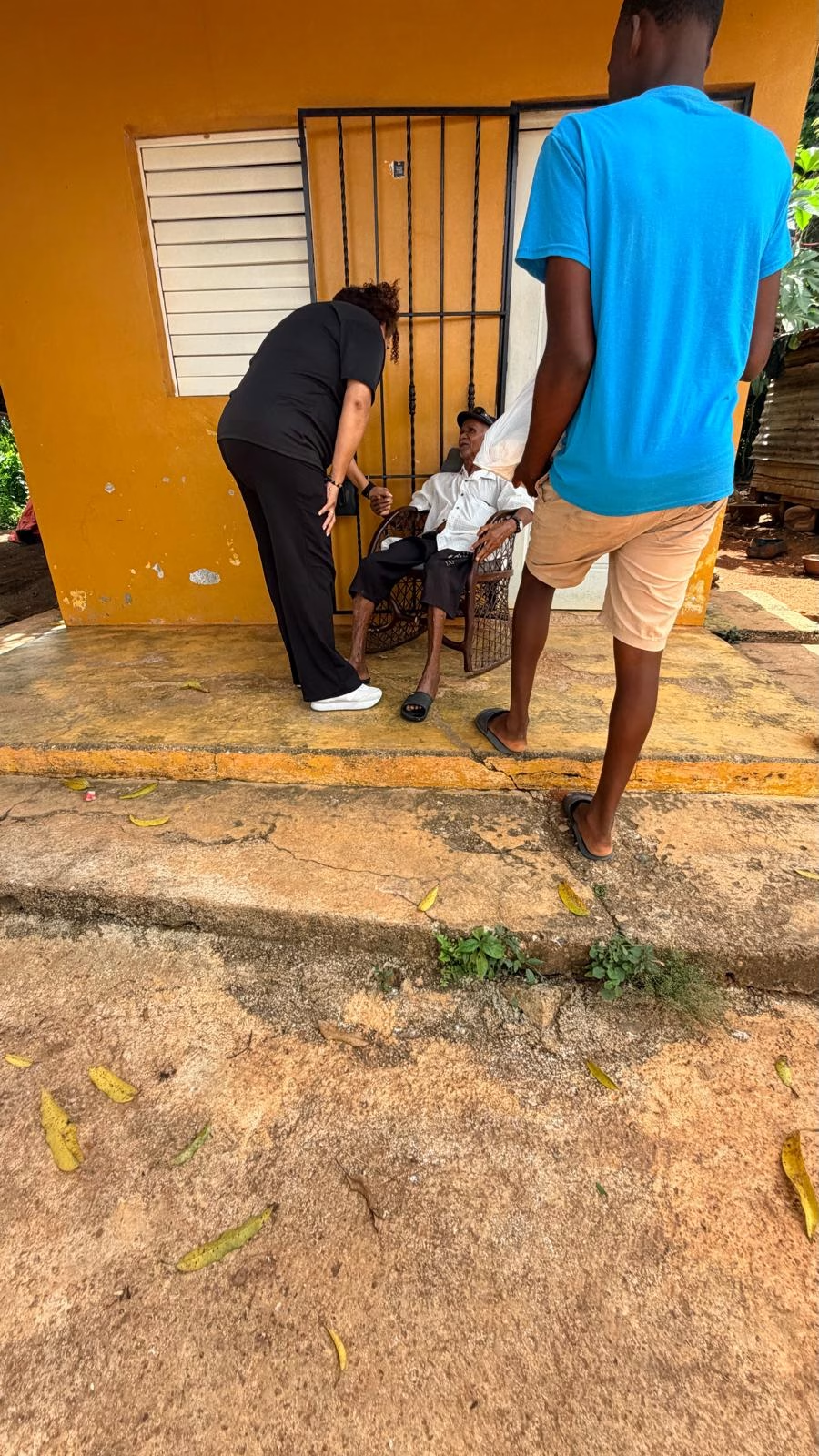
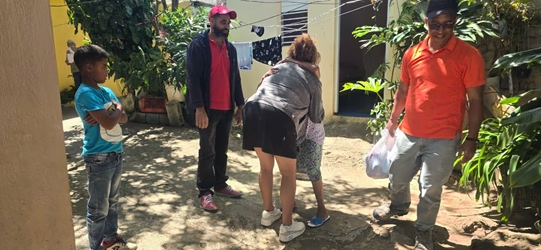
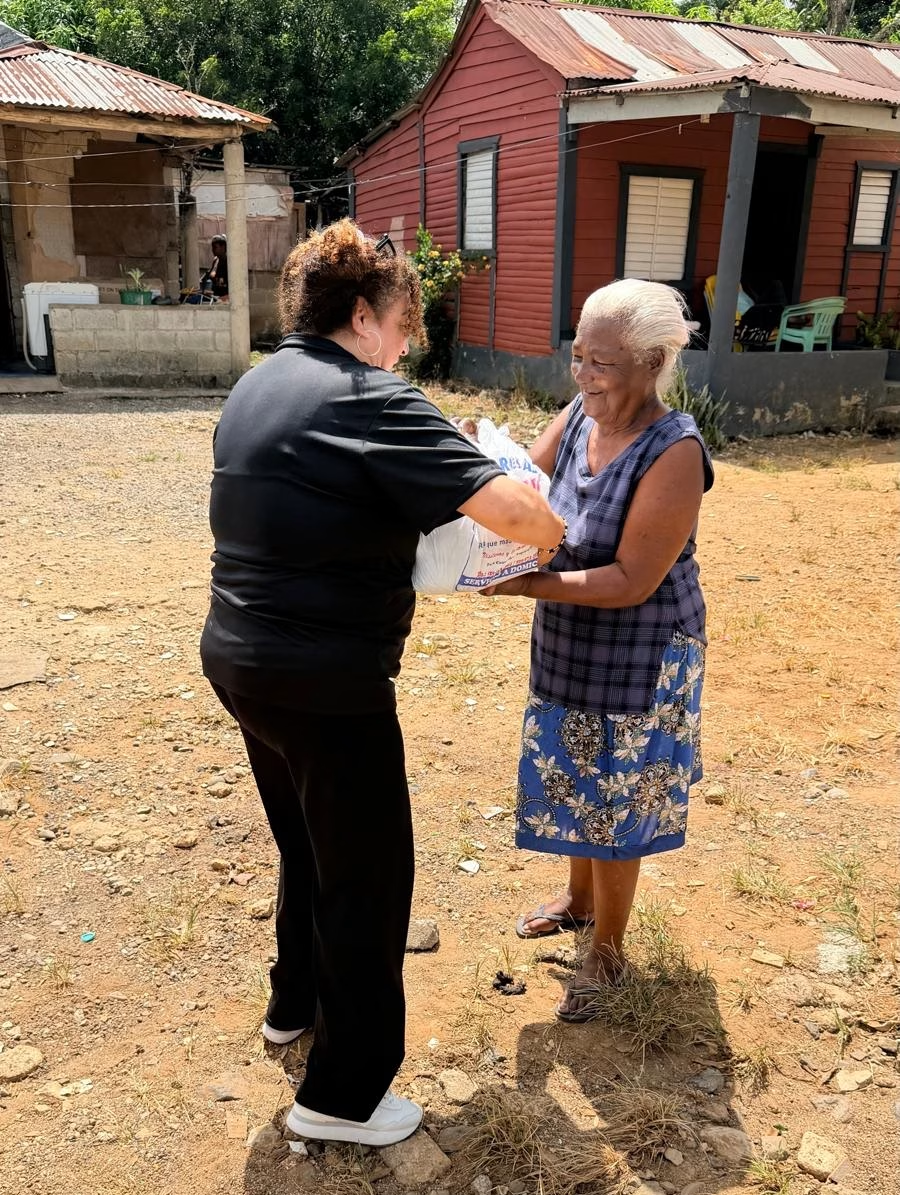
  1. Feed the hungry — Food distributions in the Dominican Republic and assistance to families experiencing food insecurity.
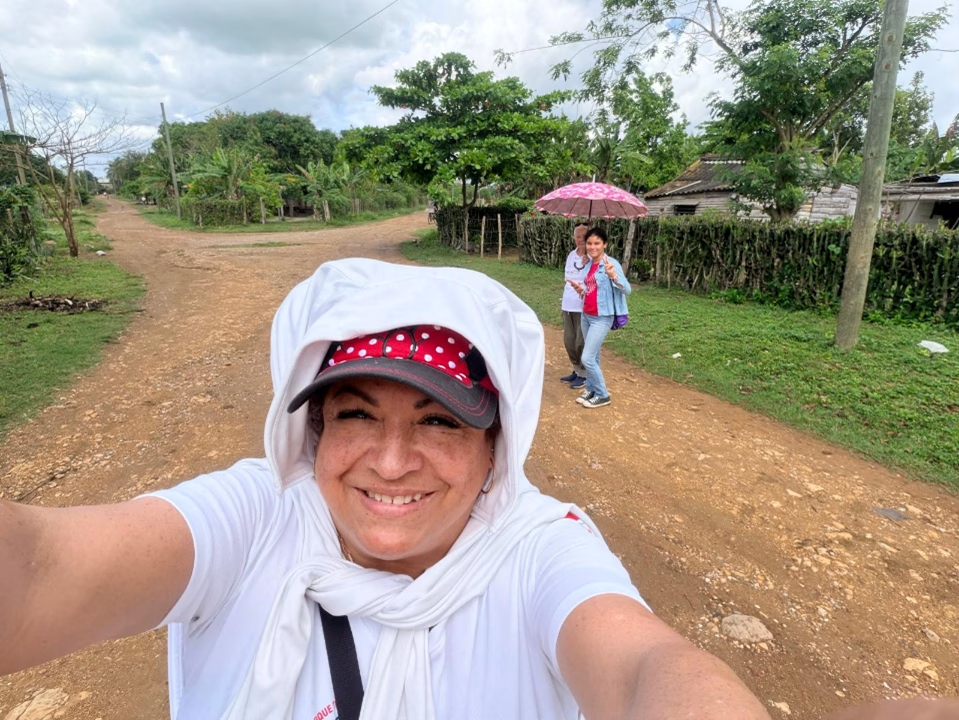
  2. Give drink to the thirsty — Providing clean drinking water and basic necessities during missionary outreach where needed.
  3. Clothe the naked — Distribution of clothing and essential supplies to individuals and families in need.
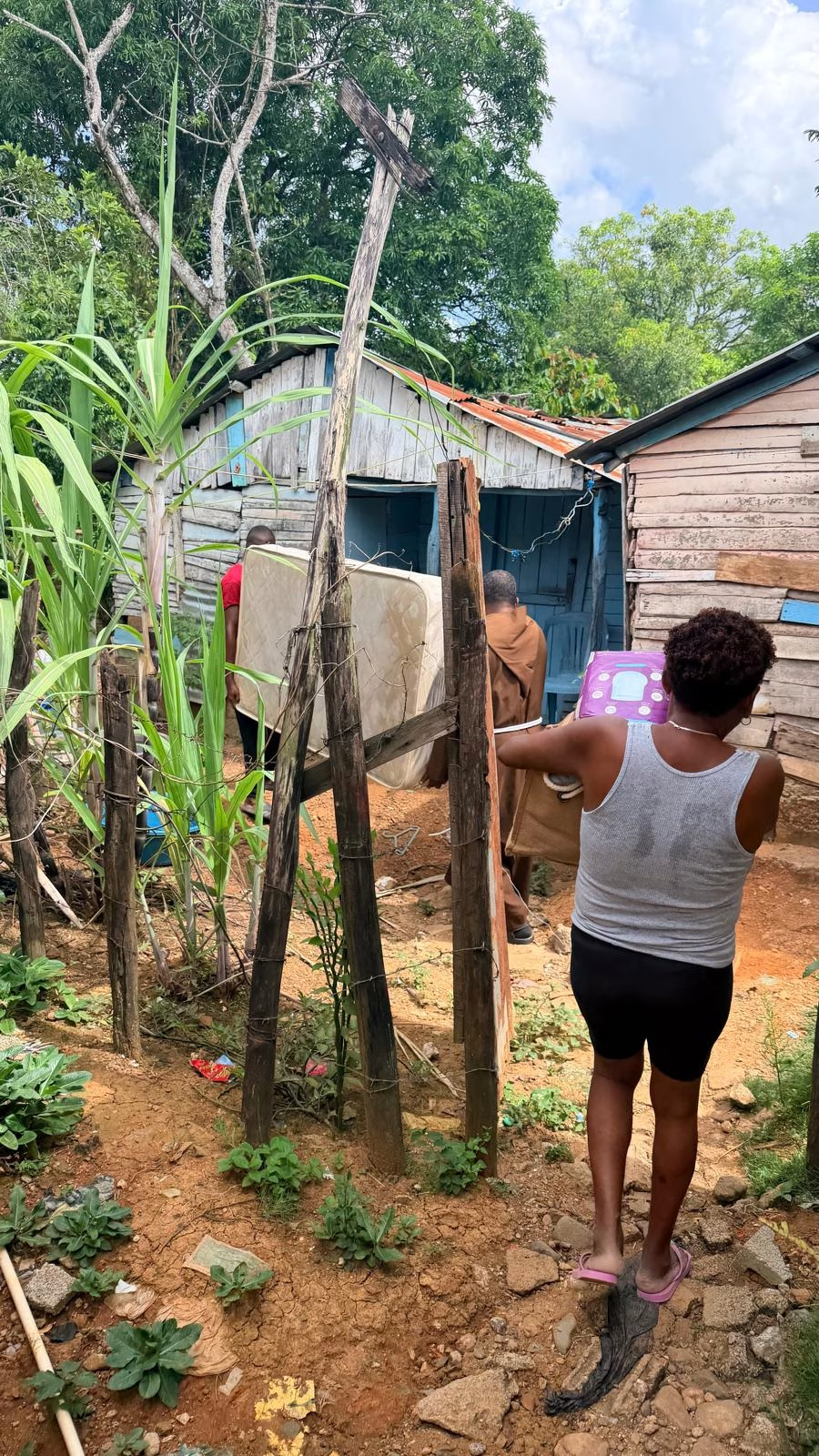
  4. Shelter the homeless — Construction, repair, and improvement of homes for impoverished families, and assistance with emergency housing needs.
  5. Visit the sick — Missionary visits, prayer, encouragement, and accompaniment of those suffering from illness.
  6. Visit the imprisoned — Spiritual outreach, prayer, and support where opportunities exist, especially for those spiritually isolated.
  7. Bury the dead — Supporting grieving families through prayer and Christian accompaniment, affirming the dignity of every human life.

Spiritual Works of Mercy and how Metanoia lives it:

  1. Counsel the doubtful — Helping people discern God’s will through catechesis, retreats, and missionary accompaniment.
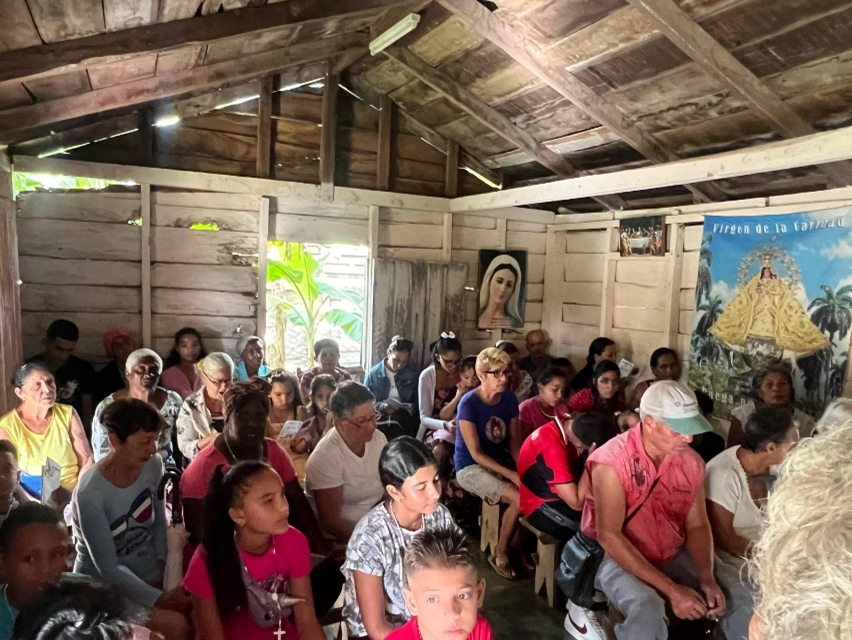
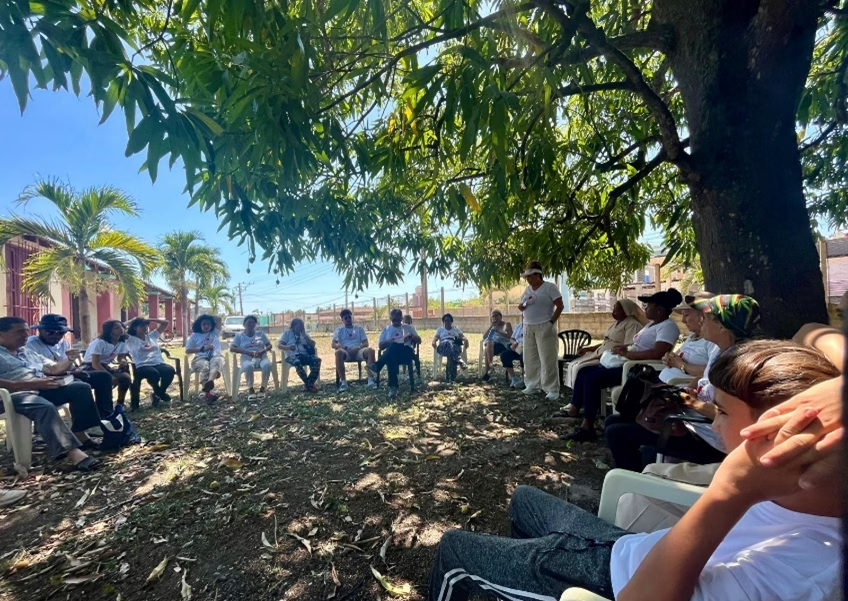
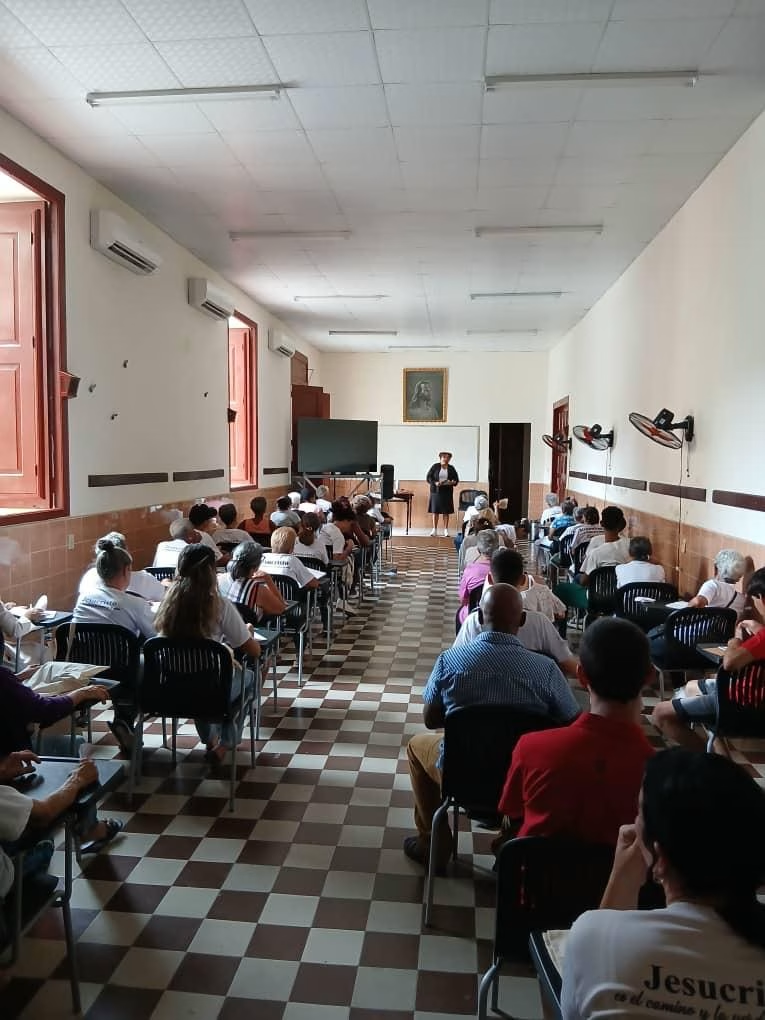
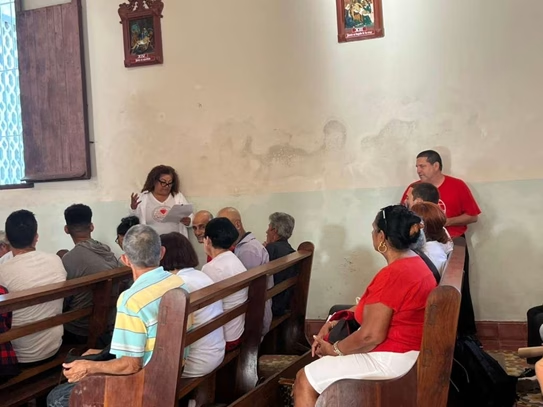
  2. Instruct the ignorant — Teaching Catholic doctrine, Scripture, theology, apologetics, leadership, and missionary formation. This is one of Metanoia’s principal ministries.
  3. Admonish sinners — Inviting people to conversion with charity, emphasizing God’s mercy and the call to holiness.
  4. Comfort the afflicted — Walking with those experiencing suffering, grief, loneliness, or discouragement through prayer and pastoral presence.
  5. Forgive offenses willingly — Promoting reconciliation, healing, and Christian forgiveness in families and communities.
  6. Bear wrongs patiently — Witnessing Christian charity through humility, patience, and sacrificial service during missionary work.
  7. Pray for the living and the dead — Daily intercessory prayer, communal prayer, retreats, and remembrance of deceased faithful.
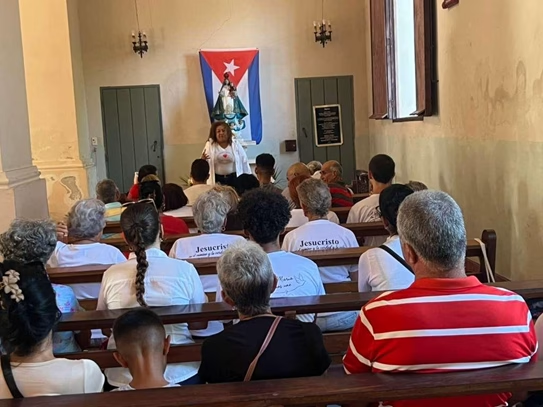
02

Justice

Catholic Social Teaching is the principles and teachings of the Catholic Church that guide believers in promoting the dignity of every human person, the common good, justice, and solidarity in light of the Gospel.

The Seven Principles of Catholic Social Teaching:

  1. Life and Dignity of the Human Person — We uphold and defend the dignity of every human life from conception to natural death.
  2. Call to Family, Community, and Participation — We strengthen families, support parishes, and form leaders who actively serve their communities.
  3. Rights and Responsibilities — We promote human dignity by encouraging responsible citizenship, faith formation, and service to others.
  4. Option for the Poor and Vulnerable — We place the needs of the poor and vulnerable at the center of our missionary and charitable work.
  5. The Dignity of Work and the Rights of Workers — We encourage ethical leadership, personal responsibility, and opportunities that foster human flourishing.
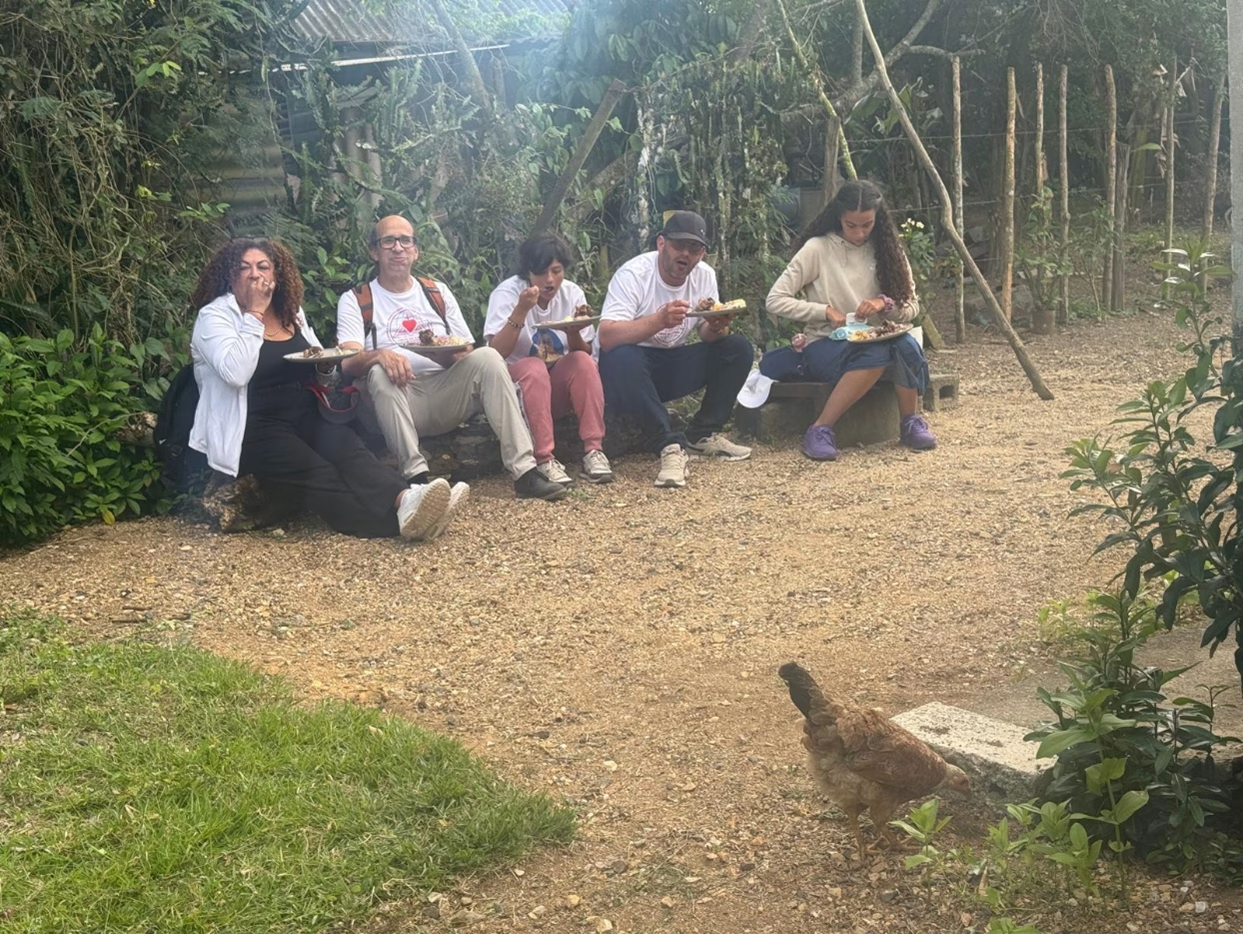
  6. Solidarity — We build lasting relationships across cultures, recognizing that we are one family in Christ.
  7. Care for God’s Creation — We promote responsible stewardship of God’s creation through respect for the environment and sustainable practices.

How Metanoia lives it:

  • Missionary outreach
  • Leadership formation
  • Charitable works
  • Human dignity workshops.
  • Community empowerment.
  • Skills training.
  • Advocacy for vulnerable communities.
  • Assistance for parishes, priests, and the laity.
03

Transformation

True transformation begins with an encounter with Jesus Christ. Evangelization is not simply the communication of religious knowledge but the invitation to conversion, discipleship, and lifelong participation in the mission of Christ through the Church. Guided by Christ’s Great Commission and the missionary mandate of the Second Vatican Council, the Metanoia Foundation seeks to form missionary disciples who proclaim the Gospel through both word and witness, bringing spiritual renewal to individuals, families, parishes, and communities.

How Metanoia Lives it:

  • Proclaiming the Gospel — We share the Good News of Jesus Christ through preaching, catechesis, retreats, conferences, and missionary formation rooted in the teachings of the Catholic Church.
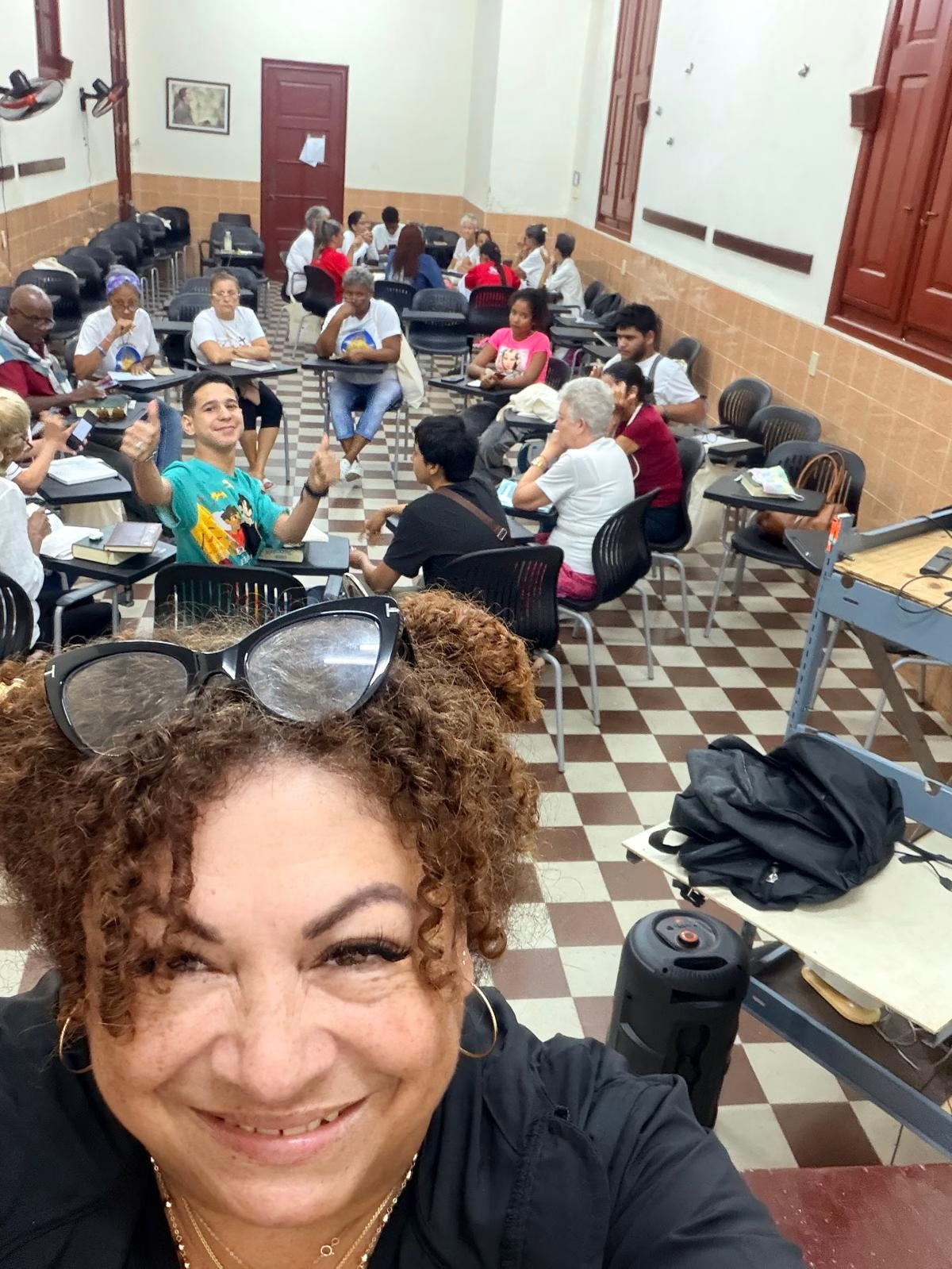
  • Forming Missionary Disciples — We equip lay men and women with the spiritual, theological, and pastoral formation necessary to become confident witnesses of Christ within their families, workplaces, parishes, and communities.
  • Building Faith Communities — We collaborate with dioceses, parishes, clergy, and local leaders to strengthen the Church through ongoing formation, leadership development, and active participation in parish life.
  • Accompanying Others in Faith — Following Christ’s example, we walk alongside individuals on their journey of faith through mentorship, pastoral presence, prayer, and spiritual encouragement.
  • Witnessing through Service — Our charitable works become visible signs of God’s love. By uniting service with evangelization, we demonstrate that authentic Christian charity flows from a living relationship with Jesus Christ.
  • Promoting Ongoing Conversion — The word metanoia means conversion of heart and mind. Through prayer, the sacraments, formation, and missionary service, we encourage continual spiritual renewal and growth in holiness.
  • Extending the Mission of the Church — Inspired by Christ’s command to “Go therefore and make disciples of all nations” (Matthew 28:19–20), Metanoia extends the Church’s missionary presence by serving communities locally and internationally through evangelization, education, leadership, and the formation of missionary disciples.

This pillar complements Mercy and Justice in a coherent theological progression:

  • Mercy — We encounter Christ by serving the physical and spiritual needs of others through the Works of Mercy.

  • Justice — We uphold the dignity of every person by living the seven principles of Catholic Social Teaching and addressing the conditions that affect human flourishing.

  • Transformation — We invite people to ongoing conversion and discipleship through evangelization and missionary formation, enabling them to become missionary disciples who transform the world in Christ, by participating in some of the following:

    • Mission trips.
    • Retreats.
    • Lay missionary training.
    • Faith formation workshops.
    • Missionary Discipleship Curriculum.
    • Intellectual and material assistance to priests, parishes, and communities.


Quick Contact